
Brow tinting recommendations
Brow tint or brow henna: pros and cons, choosing a shade to match hair colour, how often to tint, allergies, contraindications and aftercare.
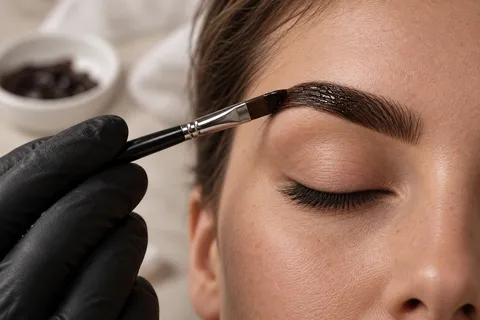
Содержание (14)
Brow tinting
Well-groomed brows make the eyes look more expressive. Once the shape is set, the artist needs to choose a colourant shade that suits the client's colour type and a product that gives a long-lasting result.
The most popular way to get the look you want is tinting, either with tint or with the more natural henna.
Tint or henna
The main products are chemical tints and natural henna. Which one to choose depends on the condition of the client's hairs and skin and on the goal: adding colour to light brows, making them look thicker, or tinting the skin underneath as well as the hairs.
Tint and henna are hard to compare. They share the same goal of making brows more expressive, but their formulas are different. Tint contains active chemicals (a colour base and a developer) as well as conditioning ingredients. Modern tints don't dry out the hairs and give a long-lasting result. Henna is a natural dye made from ground lawsonia leaves. To use it, you just mix it with water into a paste. Henna comes in fewer shades than tint. The idea that tint damages brows and henna heals them is a myth. It all depends on the artist, and an inexperienced one can damage the hairs with even the safest product.
We don't recommend using hair dye on brows. It has a stronger oxidant and harsher ingredients, and the skin around the eyes is much more delicate than the scalp.
As a simple rule, tint usually suits thick, coarse brows better. It leaves a soft haze on the skin, and the developer helps the pigment penetrate the hair more effectively. Henna is better for sparse, weak brows. It strengthens the hairs, makes brows look fuller and leaves a crisp, defined stain on the skin. For this reason, henna tinting is also called bio-tattooing.
Henna
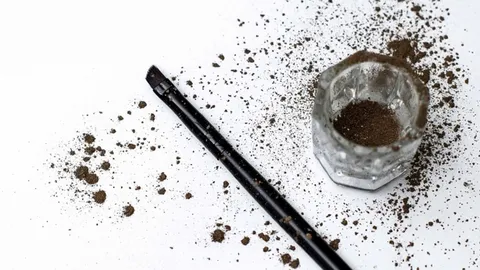
Pros of henna:
A brow tattoo-like effect: you can correct the shape and conceal asymmetry and gaps.
The natural formula strengthens the hairs, stimulates growth and helps brows recover after unsuccessful shaping.
Lasts up to 2 weeks on the skin and up to 2 months on the hairs.
A pleasant herbal scent, unlike chemical tints.
Cons of henna:
An allergy test is required: natural ingredients can cause allergies too.
On oily or porous skin, the pigment does not last long.
Henna cannot lighten the hairs.
Few shades available.
Henna cannot be used with lamination: about a month should pass between long-term styling and henna tinting.
Tinting takes a long time — usually around 40 minutes.
Tint
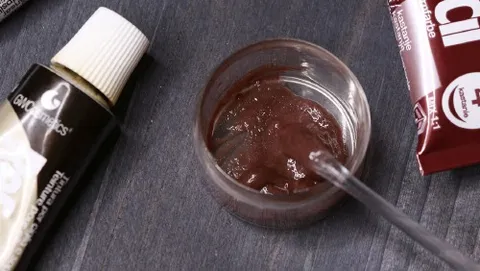
Pros of tint:
Rich, vivid colour.
A wider range of shades than henna.
Can be used to lighten brows.
Can be used during brow lamination.
Tinting is quicker, and the colour can be refreshed after just a week.
Cons of tint:
Can dry out the hairs if the developer is too strong — use a developer of no more than 3%.
Occasionally, an allergy to the ingredients.
The effect is purely cosmetic: tint does not strengthen the hairs.
Fades faster than henna: about a week on the skin and a month to a month and a half on the hairs. On oily skin, tint lasts longer than henna.
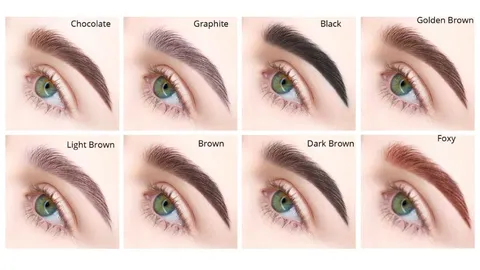
How to choose the shade
General rules:
Brows are never tinted to exactly match the hair colour.
For fair-haired clients, brows are made 1–2 shades darker than the hair.
For dark-haired clients, 1–2 shades lighter.
Take the client’s colour type into account.
This makes the result look more natural.
Tinting brows for blondes
There is no universal shade for blondes — go by the colour type.
Warm blondes suit brown shades, from light to medium; cool blondes suit grey and ash-toned browns. Brows should not be too dark. Blondes with olive or tanned skin can choose a deeper shade: brows that are too light get lost on darker skin.
Tinting brows for dark blondes and light brunettes
Brows are tinted 1–2 shades darker than the hair.
Ash-blonde hair goes well with ash-brown and grey-brown shades.
Warm brunettes and golden blondes suit classic browns.
Tinting brows for deep brunettes and dark-haired clients
Brunettes often choose black tint, but it only looks good on olive or dark skin with dark eyes.
On fair skin, black brows make the face look heavier, so they are made slightly lighter than the hair, preferably in cool tones. The “dark chocolate” shade works well.
Tinting brows for red-haired clients
The brow shade is chosen according to the intensity and depth of the red.
Natural red, caramel and honey shades suit a brown dye — warm, light or with a copper undertone. Copper and bright carrot-red hair suits brown and deep copper brows. The lighter the colour type, the more neutral the brow colour, and vice versa.
Both tint and henna ranges have enough shades to find the right colour for every client.
How often to tint brows
Brows should be tinted no more than once a month. After tint, a break is needed so that the skin and hairs can recover from the chemicals, and henna without a break dries the hairs out badly. Tinting too often can cause an allergy or hair loss.
Allergy
Allergic reactions to brow tinting are rare, but they do happen.
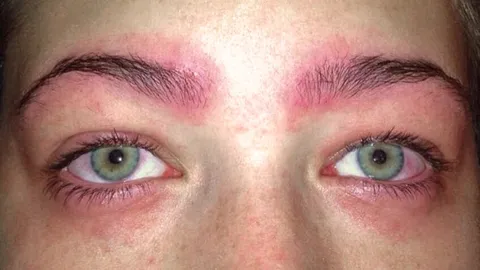
Allergic reactions to henna are caused by chemical fertilisers used to grow lawsonia and by additives that make the colour richer. Black henna causes reactions most often. Henna is never naturally black, so chemical additives are used to get this colour. One of them is para-phenylenediamine, which can cause burns.
Symptoms of a henna allergy:
Redness, flaking and itching in the tinted area
Swelling
A burning feeling where the dye touches the skin
Coughing, a runny nose and watery eyes during the treatment
Tint and developer are chemical formulas. Allergic reactions can be caused by isatin, metol and para-phenylenediamine. Para-phenylenediamine is in every brow tint because it fixes the pigment to the hair.
An allergic reaction usually appears 2–3 hours after the treatment, though sometimes it starts during tinting. Along with the same symptoms as henna, it can cause a headache, sneezing, a fever and a runny nose.
If you have any symptoms of an allergic reaction, see a doctor straight away or take an antihistamine. Do not scratch your brows.
Contraindications to brow tinting
Main contraindications:
Allergy to any ingredient in the dye
Damaged skin in the tinted area, such as cuts, inflammation, scratches or burns
Breakouts in the tinted area, such as acne, pustules or fungal infections
Deep scars in the brow area
Cancer
Hormonal changes and menstruation
A cold
Taking antibiotics
Brow aftercare after tinting
To make the result last longer:
Keep your brows dry for the first 24 hours while the pigment sets.
Don't use a scrub or rub your brows with a towel.
Don't put face cream on your brows. Moisturise them with a special brow oil instead.
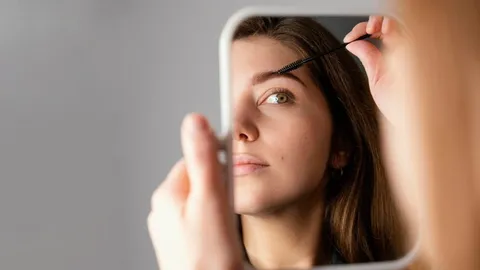
Brush your brows with a spoolie. In the morning, this keeps them looking neat, and in the evening, the massage helps them grow.
The best brow tints
RefectoCil lasts up to 6 weeks, and one tube is enough for up to 30 treatments. It contains vitamins, minerals and folic acid. Mix it with a 3% cream or liquid developer.
BRONSUN Innovator Cosmetics is an extra-long-lasting tint. It colours the skin and hairs evenly and gives a rich shade. It is 70% natural ingredients. The colour lasts a week on the skin and up to 7 weeks on the hairs. Processing time is 7–10 minutes.
Oxygen O2 BrowXenna is an ammonia-free Italian formula with a conditioning complex of oat and silk proteins, panthenol, vitamins and keratin. Nano-sized pigment particles penetrate the hair structure.
Товары из статьи
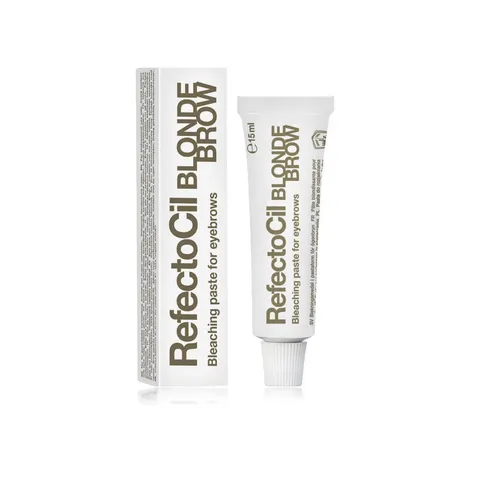
RefectoCil tint for brows and lashes, 15 ml
Читать также
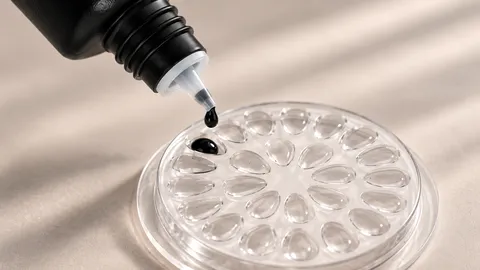
How to choose an eyelash extension adhesive: formulations, storage and our top picks
Eyelash extension adhesive formulation, bonding speed, consistency and flexibility, shelf life, storage and allergy prevention. At the end, you'll find the adhesives we recommend for beginner, advanced and professional artists.
The best lash removers and how to use them
Cream, gel and liquid removers: how they differ, how long to leave them on, how to remove extensions and clean off residue. At the end, you'll find the cream removers we recommend.